
The three founders
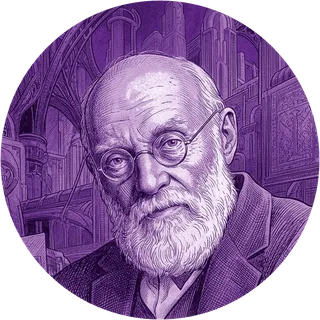
Paul Otlet
1868–1944
Belgian lawyer and documentalist, who set out with Henri La Fontaine to catalog the world’s published knowledge.
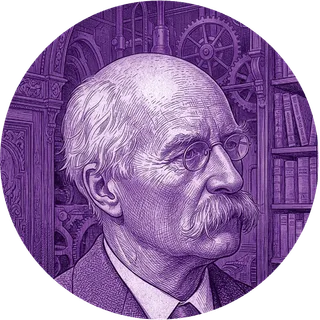
Henri La Fontaine
1854–1943
Lawyer, senator, and winner of the 1913 Nobel Peace Prize, who saw the organization of knowledge as part of the work of peace.
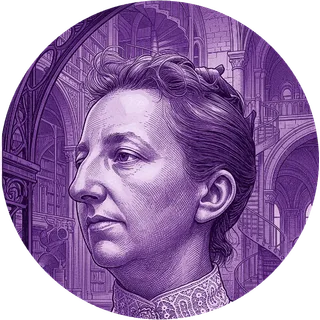
Léonie La Fontaine
1857–1949
Feminist and pacifist, who documented the condition of women within the same network.
The Répertoire
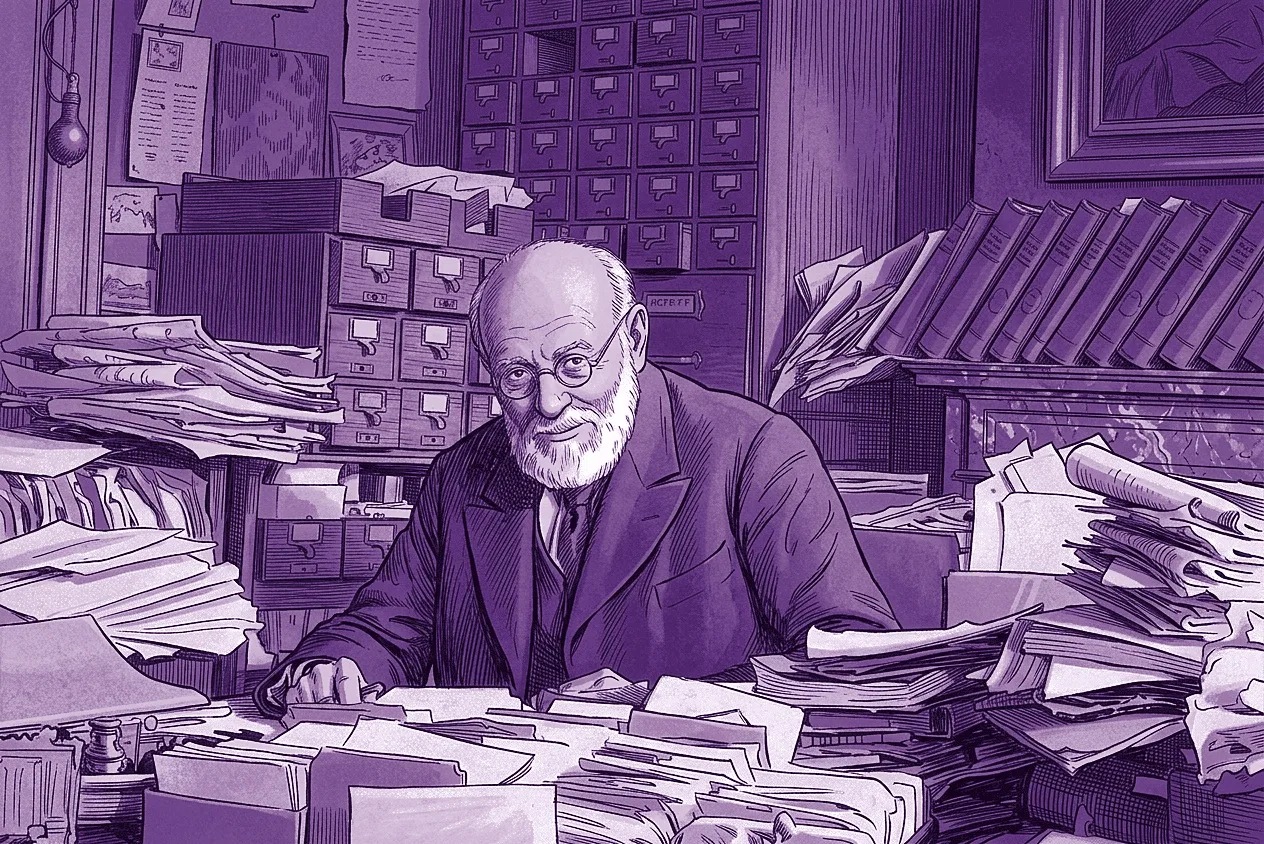
In 1895, Paul Otlet and Henri La Fontaine set out to catalog the world’s published knowledge. Their Répertoire bibliographique universel grew to millions of index cards, ordered by the Universal Decimal Classification they developed from Dewey’s system. In the 1930s, Otlet described a future in which anyone could consult this knowledge from a distance, on a screen. That vision is now often read as a forerunner of the web.
Their Mundaneum, in Brussels, was meant to become a world city of knowledge. They campaigned for the League of Nations and anticipated its work on intellectual cooperation, the forerunner of UNESCO.
Henri La Fontaine treated the organization of knowledge as part of the work of international cooperation and peace. Léonie La Fontaine, his sister, co-founded the Belgian League for Women’s Rights and built a documentation office on the condition of women. Her work is a reminder that what gets recorded, and by whom, is never a neutral choice.
Timeline
1895
The Répertoire begins
Otlet and La Fontaine start to catalog the world’s published knowledge on index cards.
1913
Nobel Peace Prize
Henri La Fontaine receives the Nobel Peace Prize.
1930s
Knowledge at a distance
Otlet describes the remote consultation of knowledge on a screen.
Why it matters now
Their project shared the ambitions of today’s technology: to collect everything, classify it, and make it available to all. It also ran into the limits those ambitions still meet. Scale outgrows care. Categories are never neutral. Someone has to decide what counts.
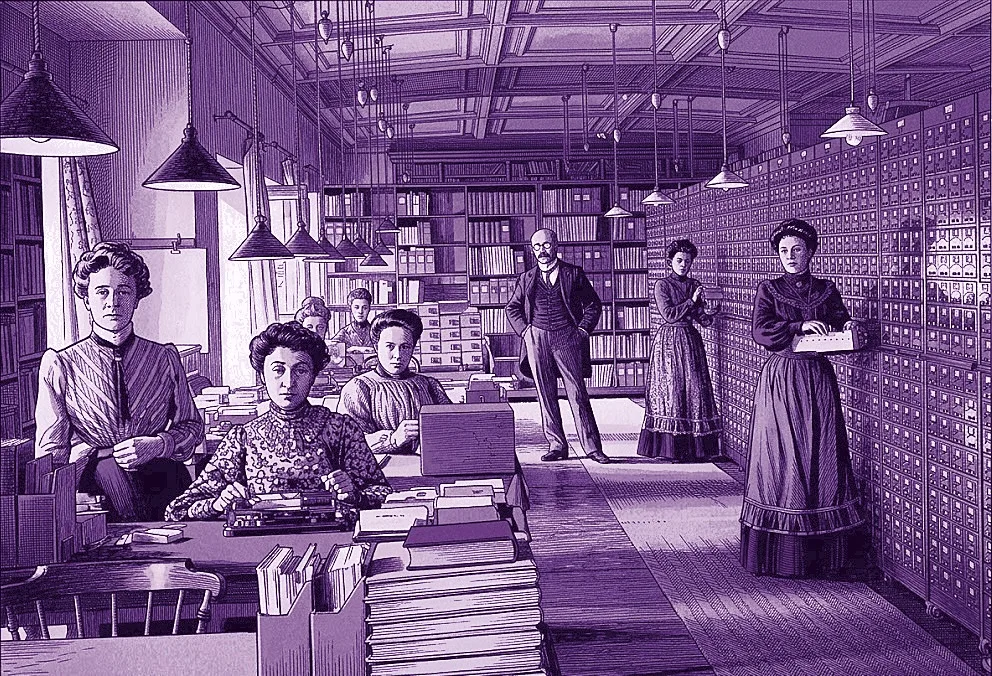
We take from Otlet and the La Fontaines both the ambition and the responsibility.
We also take their optimism: the belief that knowledge and technology can serve peace and human dignity, if people take responsibility for how they are used.
Illustrations made with Google Gemini from historical photographs: Paul Otlet, Mundaneum Archive; Henri La Fontaine, Atelier Stern, Brussels, about 1913; Léonie La Fontaine, Mundaneum, 1900; Paul Otlet at his desk, Mundaneum, 1937; the Répertoire bibliographique universel, Mundaneum, about 1900.


